
Organic Transitions: Joanne Charon | Autumn Harvest Orchard

January 23, 2026
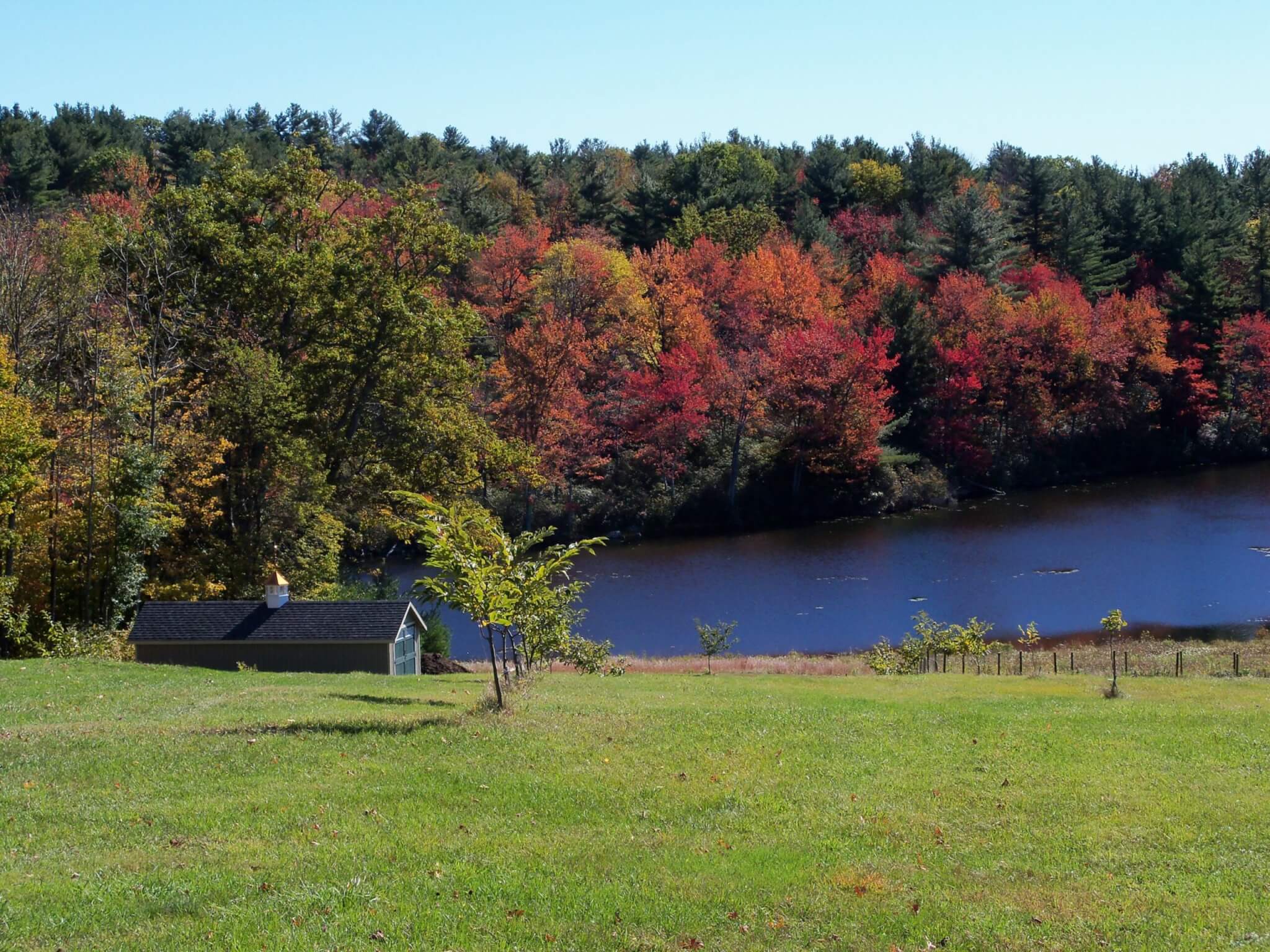
As a core partner in the ongoing Transition to Organic Partnership Program (TOPP), CT NOFA has provided support to six Connecticut farms during their successful pursuit of organic certification. One of those farms is Autumn Harvest Orchard in Norfolk, CT, a veteran-owned, recently certified organic orchard, vegetable farm, and apiary. They grow over 400 varieties of apples, pears, chestnut, and nectarine trees, along with blueberries. They also offer a CSA program that runs from June to August.
Autumn Harvest Orchard was founded by owner Joanne Charon in 2000 on land that was contractually obligated to be free of pesticides and herbicides, which led Charon to study organic growing practices for fruits, berries, nuts, and vegetables, and ultimately pursue a Certified Naturally Grown label for her produce. Eventually, though, Charon set her eyes on Certified Organic, instead. “For years the farm was Certified Naturally Grown,” she says, “but it was not well recognized or promoted in the state and it put the orchard at a disadvantage.”
Autumn Harvest Orchard was aided in the often time-consuming organic application process by CT NOFA, which provided technical assistance, field acreage reporting, and application support through TOPP.
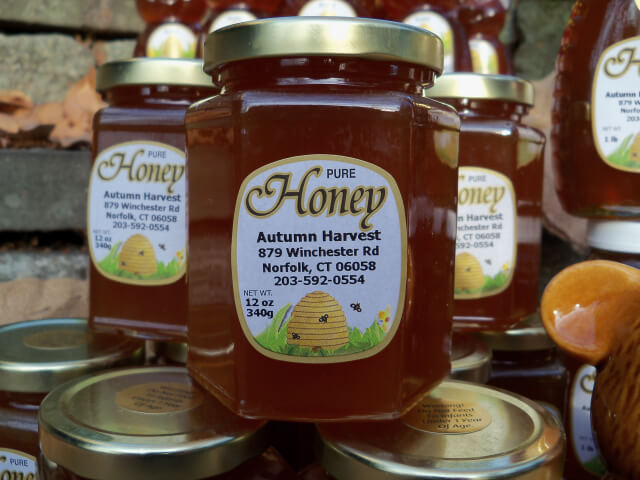
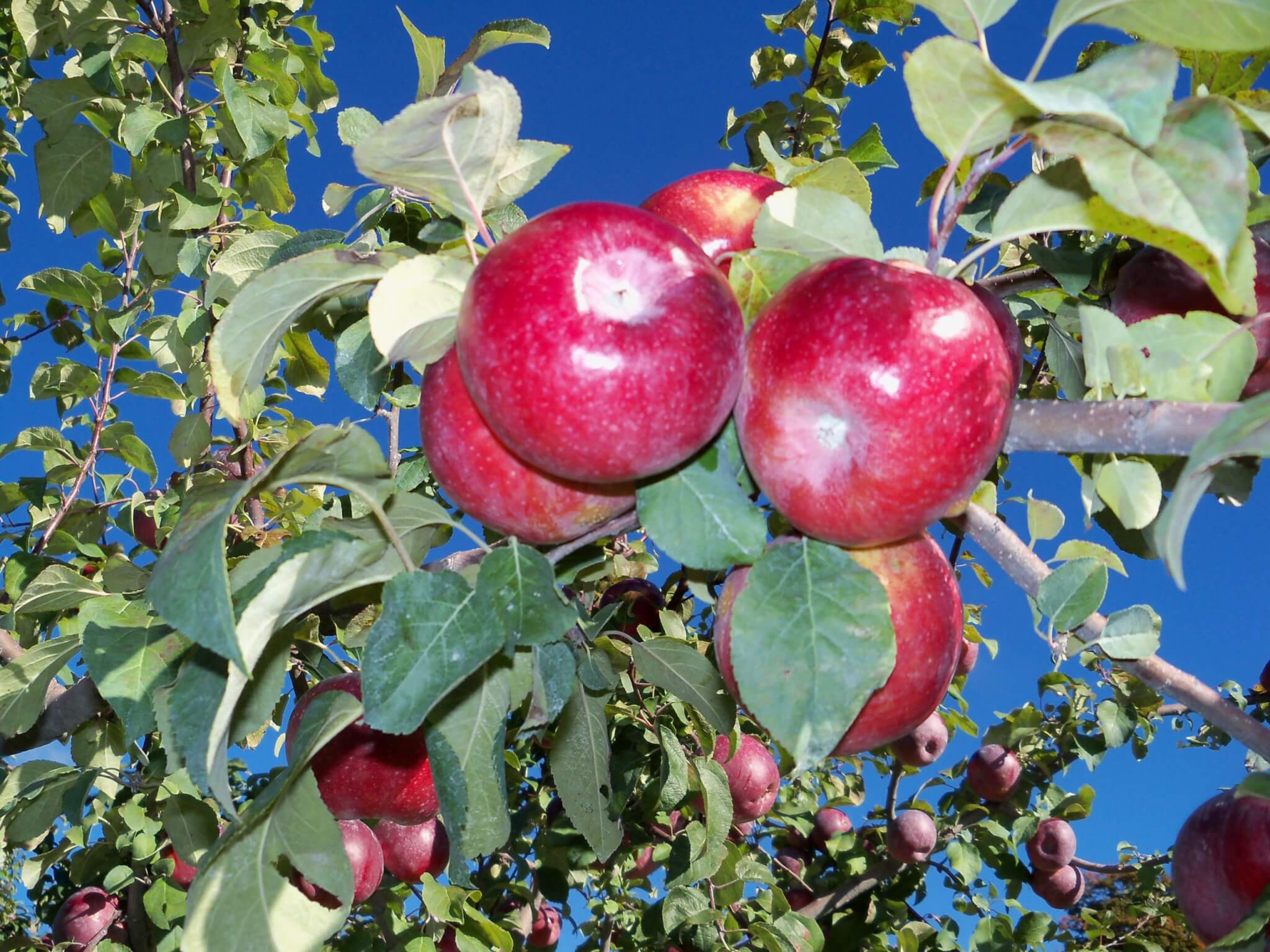
Overcoming these challenges to become Certified Organic has already reaped rewards for Charon’s orchard, including requests from other farms to sell her produce at their own farm stands. Moreover, she is proud to be able to provide organic produce for her community. “It gives people a choice to purchase and enjoy fresh CT Grown Organic produce, which is totally different than what’s in the big box store,” she says. “Fresh, organic produce is higher in vitamin and mineral properties, and we are committed to growing all fruits, berries, herbs, nuts, and vegetables in healthy soil using ORMI fertilizers and pest control measures.”
To learn more about Autumn Harvest Orchard, visit their website or find their produce at the Torrington Farmers Market or retail outlets throughout Connecticut.
TOPP is a U.S. Department of Agriculture program that connects experienced, certified organic farm operations with farmers who want to become certified, providing mentorship that expedites the certification process. CT NOFA is a regional partner in TOPP that welcomes both certified organic growers (who wish to serve as paid mentors or technical assistants) and growers who want to transition their operations to certified organic (to receive free organic mentorship) to learn more about and apply to participate in the program.
Recent Posts

Support the Organic Agriculture Movement – Become a Sponsor of the 2027 CT NOFA Winter Conference
The organic agriculture movement may not be a new phenomena, but it is a vital one. Help support that movement by becoming a sponsor of our 2027 Winter Conference. In addition to helping us continue the fight for organic agriculture, you’ll enjoy numerous benefits leading up to and at the conference.

Call for Exhibitors at CT NOFA’s 2027 Winter Conference
Join us at CT NOFA’s 45th annual Winter Conference on March 13, 2027 to connect with 300+ farmers, home gardeners, and organic advocates from across the region. Agricultural industry suppliers, education and resource-providing organizations, environmental conservation groups, and others are invited to register for an exhibitor table.